Maths tutor · IB · A-Level · AP · competitions · online
Every step written down.
I teach one-to-one maths to students who come to me through consultancies and agencies. You stay in charge of the student. After each lesson I send you a short written note.
§ 01 About me
Penn maths. About 5,000 hours of teaching.
- B.S. Mathematics
- 3.8GPA out of 4.0 at the University of Pennsylvania. I focused on statistics and data science and finished early, in December 2023.
- Teaching hours
- ≈5,000across more than four years
- Education partners
- 10+schools and education companies I’ve worked with
- Question bank
- 18,000+bilingual questions, sorted by type
- 2021–23 AP Maths & Science teacher (part-time), Conestoga High School, PA
- 2022–23 Maths & Statistics tutor, University of Pennsylvania
§ 02 How referrals work
You keep the student. I take the maths.
- 01
Referral
Send me the curriculum, the student’s current level, the target grade and the exam dates. I’ll reply with where I would start.
- 02
First lesson
The first lesson is a diagnostic. I find the question types the student drops marks on, then write a plan by topic and exam date that you can pass to the family.
- 03
Lessons
Lessons are one-to-one and online, on a shared whiteboard. Each follows a booklet chapter: a short summary of the idea, then exam-style questions grouped by type. Homework uses the same types.
- 04
Notes
After every lesson the counsellor gets a short written note. It says what we covered, what is solid now, and what we do next.
§ 03 What I teach
From IGCSE to AIME.
International
- IB Maths AASL · HL · IA
- IB Maths AISL · HL · IA
- A-Level MathsPure · Stats · Mechanics
- A-Level Further MathsCore Pure · options
- IGCSECore · Extended · Additional
- HKDSECompulsory · M1 / M2
United States
- AP Calculus AB
- AP Calculus BC
- AP Statistics
Competitions
- AMC 10 / 12
- AIME
- BMOUKMT
- EuclidCEMC
Admissions & university
- TMUA
- ESAT
- University mathsCalculus · linear algebra · probability · statistics
§ 04 A sample chapter
Read the working.
This is one booklet chapter, on De Moivre’s theorem. Students get the questions. Under each page is the teacher booklet, with full solutions and the mistakes I see most.Hover over the answer space to read it,Tap the answer space to read it, or switch the whole page.
De Moivre's theorem
In polar form, multiplying complex numbers adds their arguments, so raising to a power multiplies the argument. All four questions below use that one fact.
I wrote these questions for this sample. They are in exam style but not taken from IB or Cambridge papers. Booklets in lessons draw on a bank of 18,000+ bilingual questions.
§ 05 Student results
Their results.
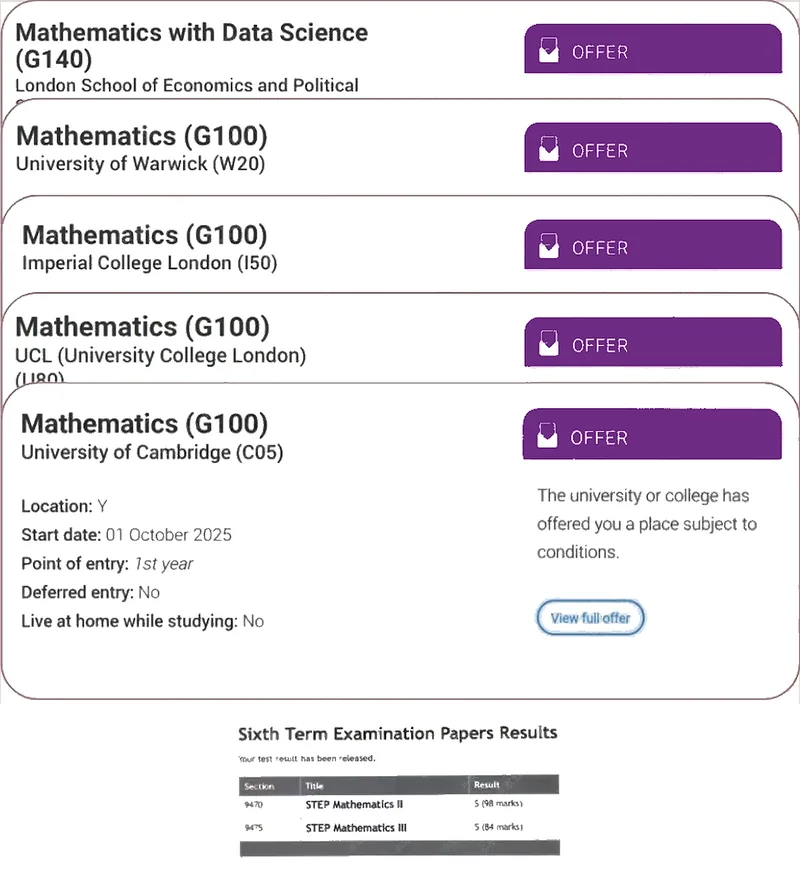
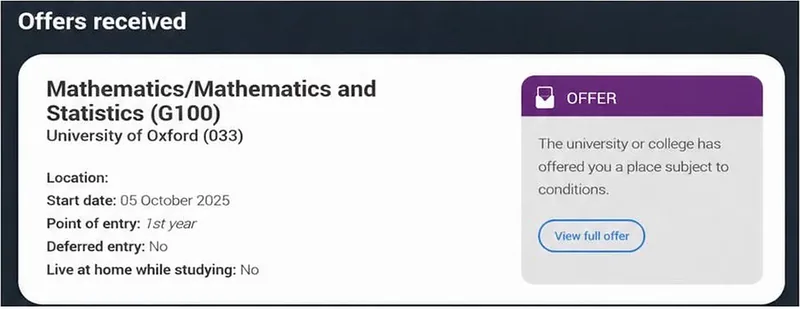
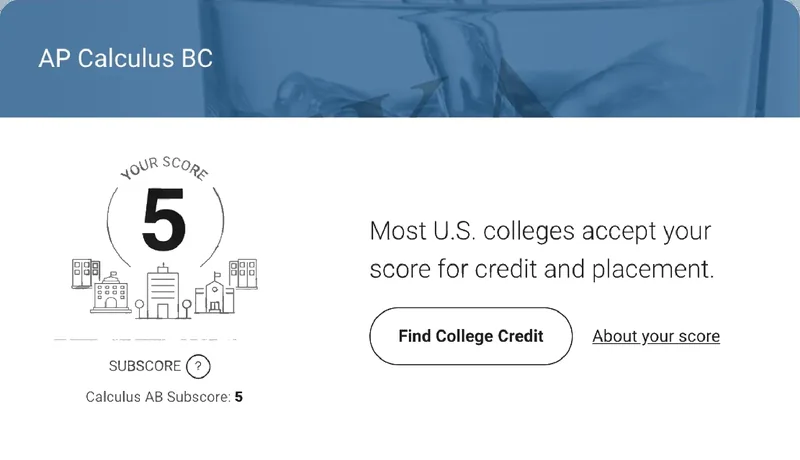
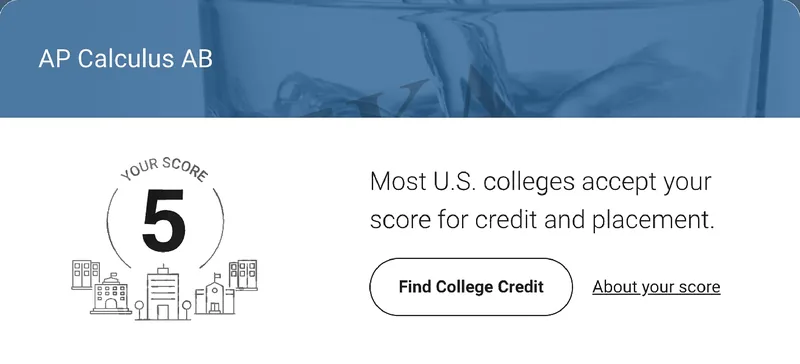
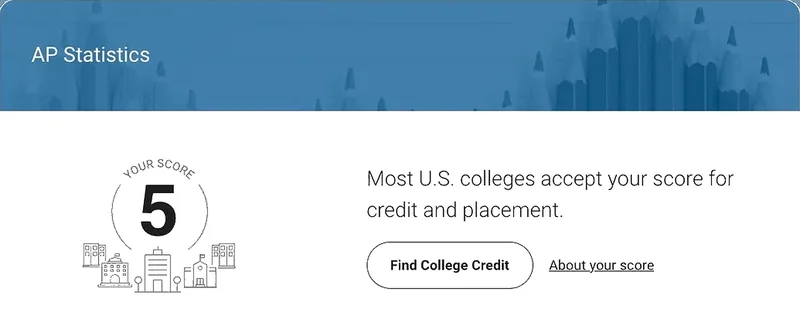
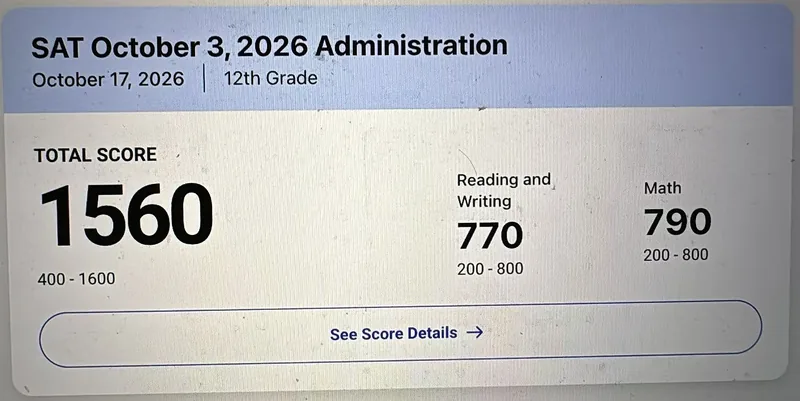
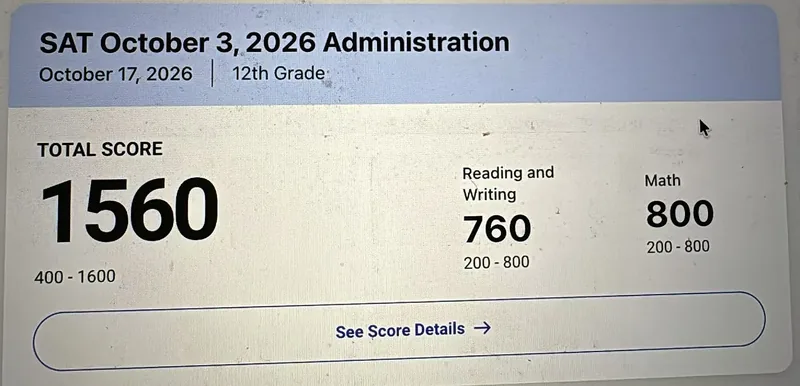
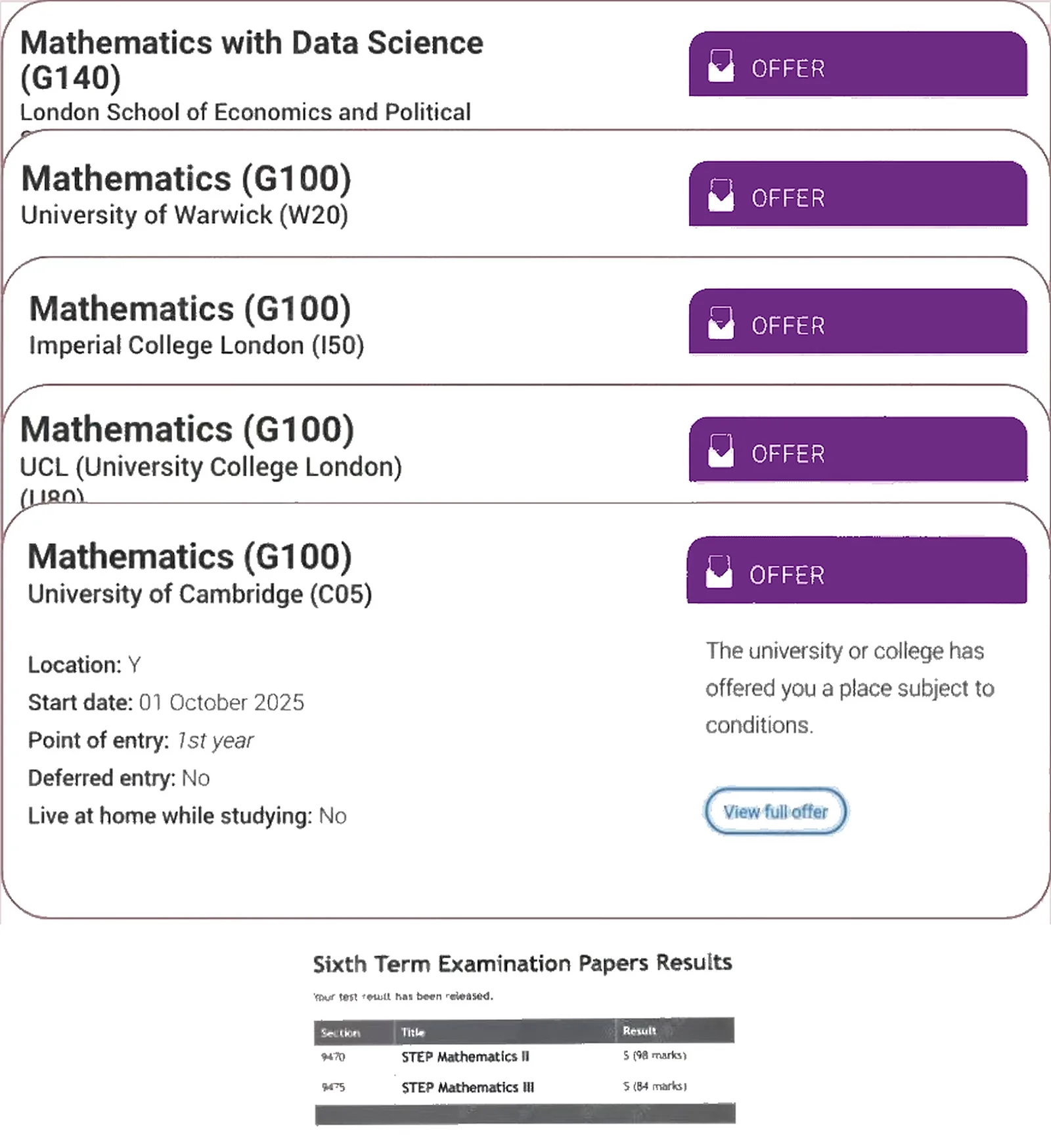
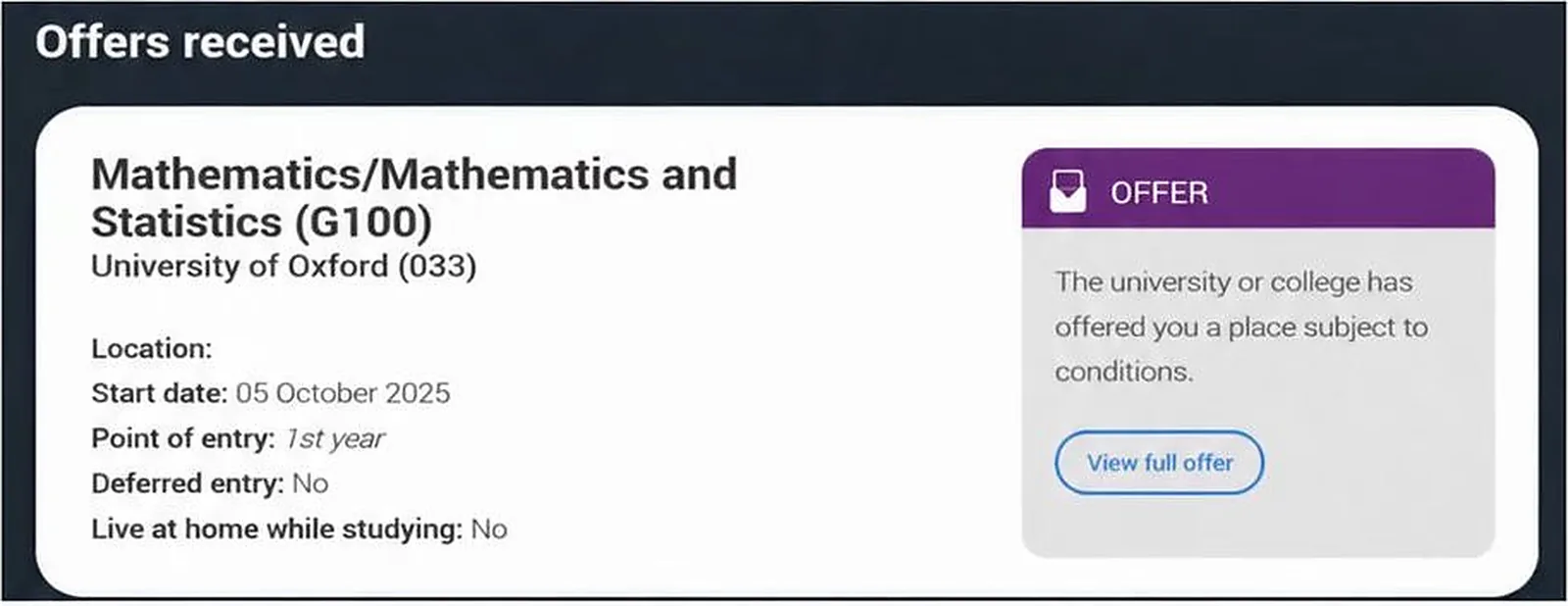
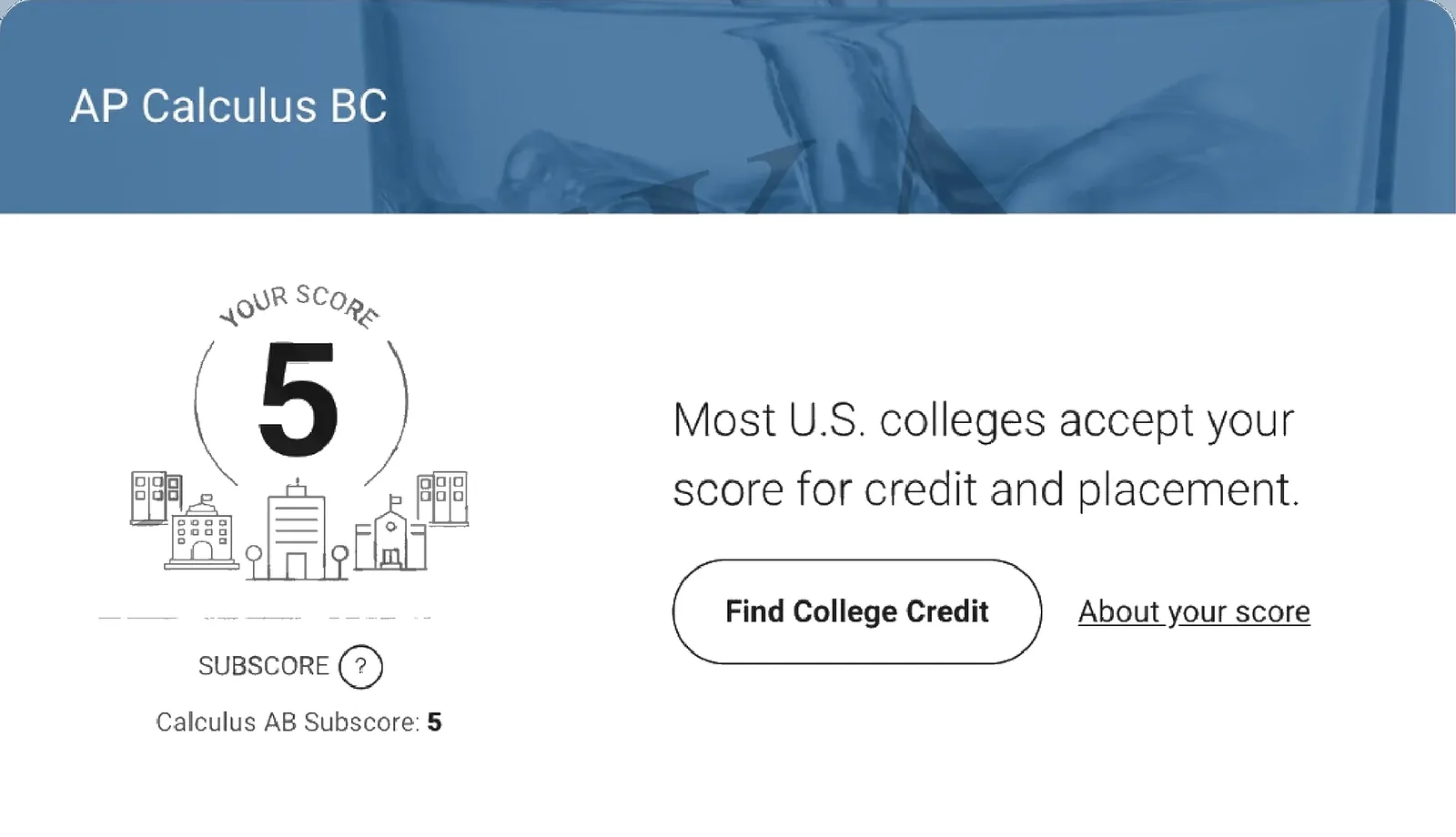
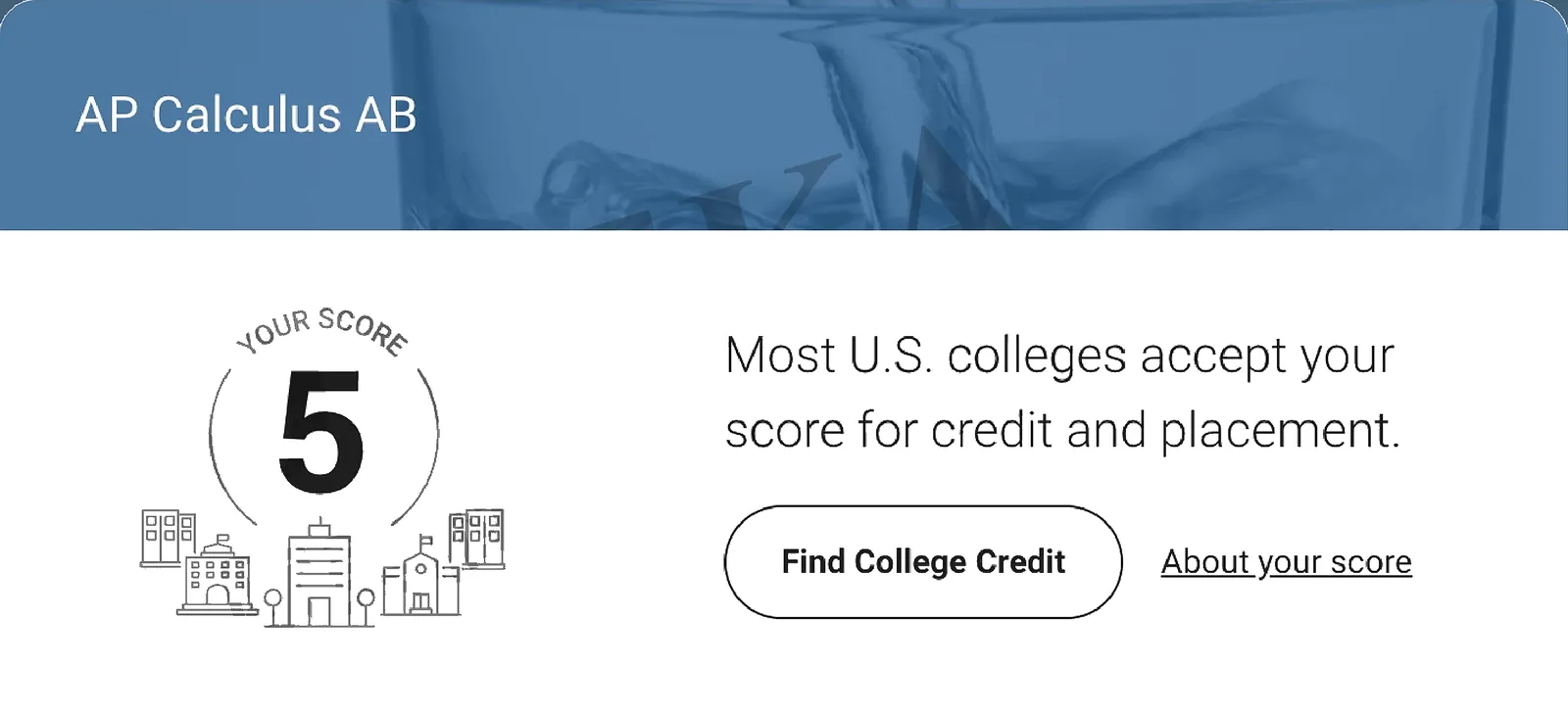
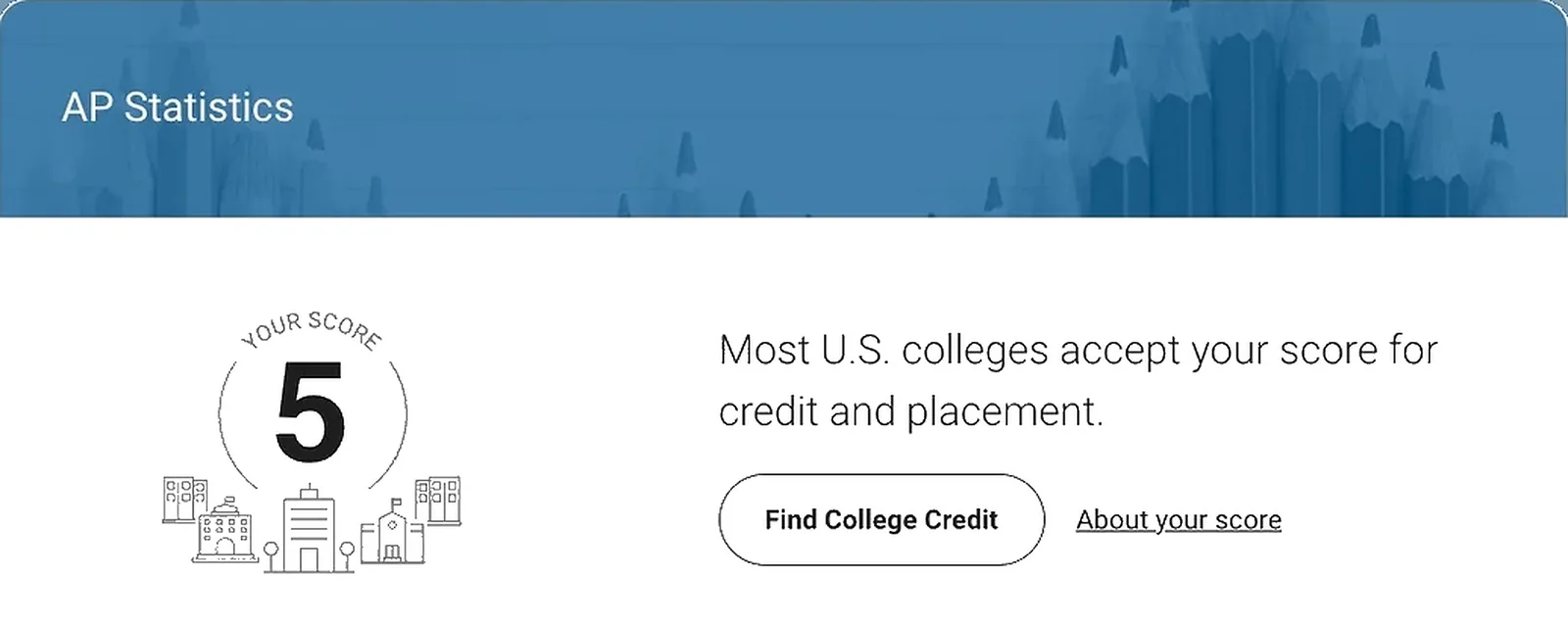
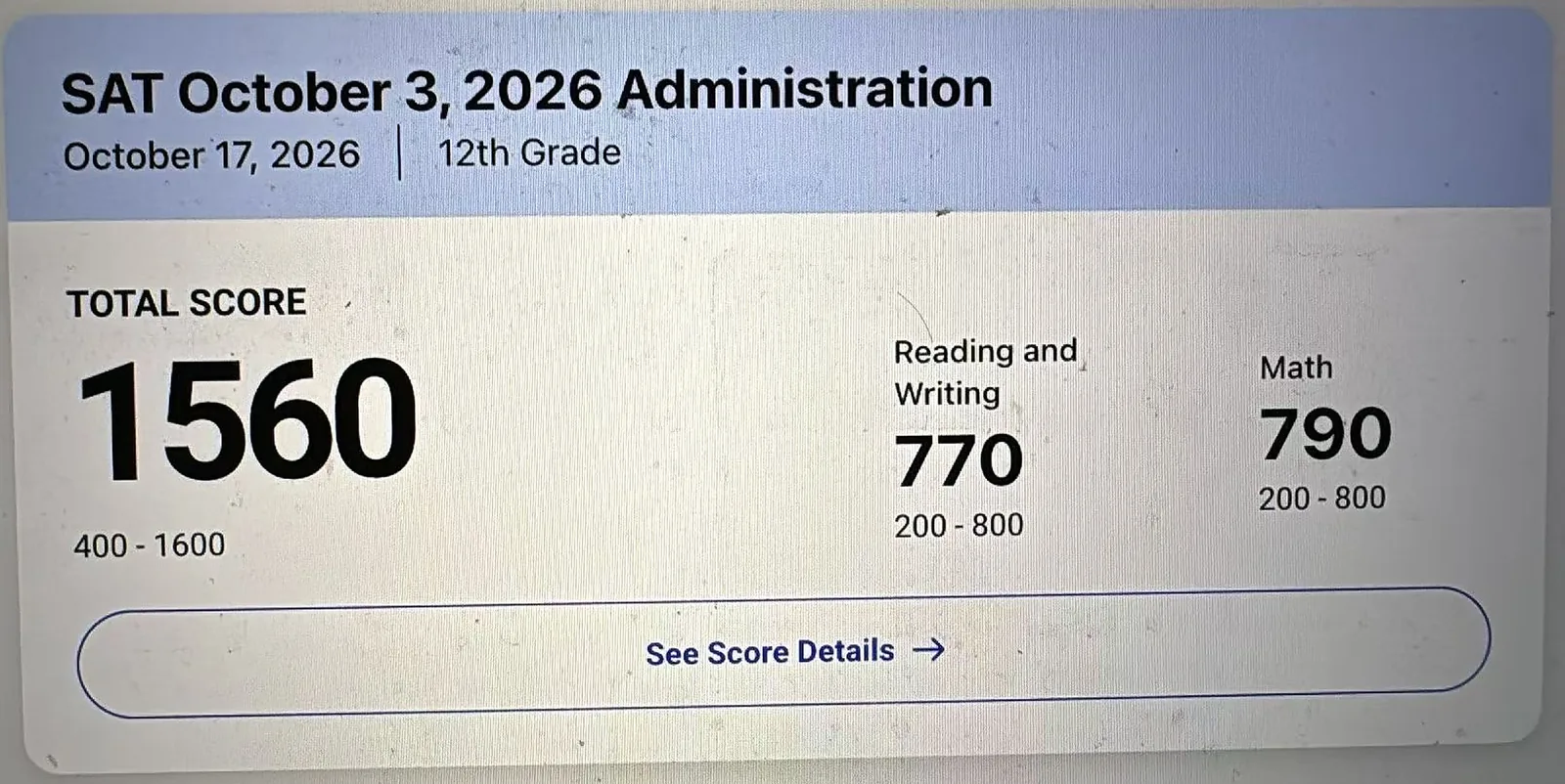
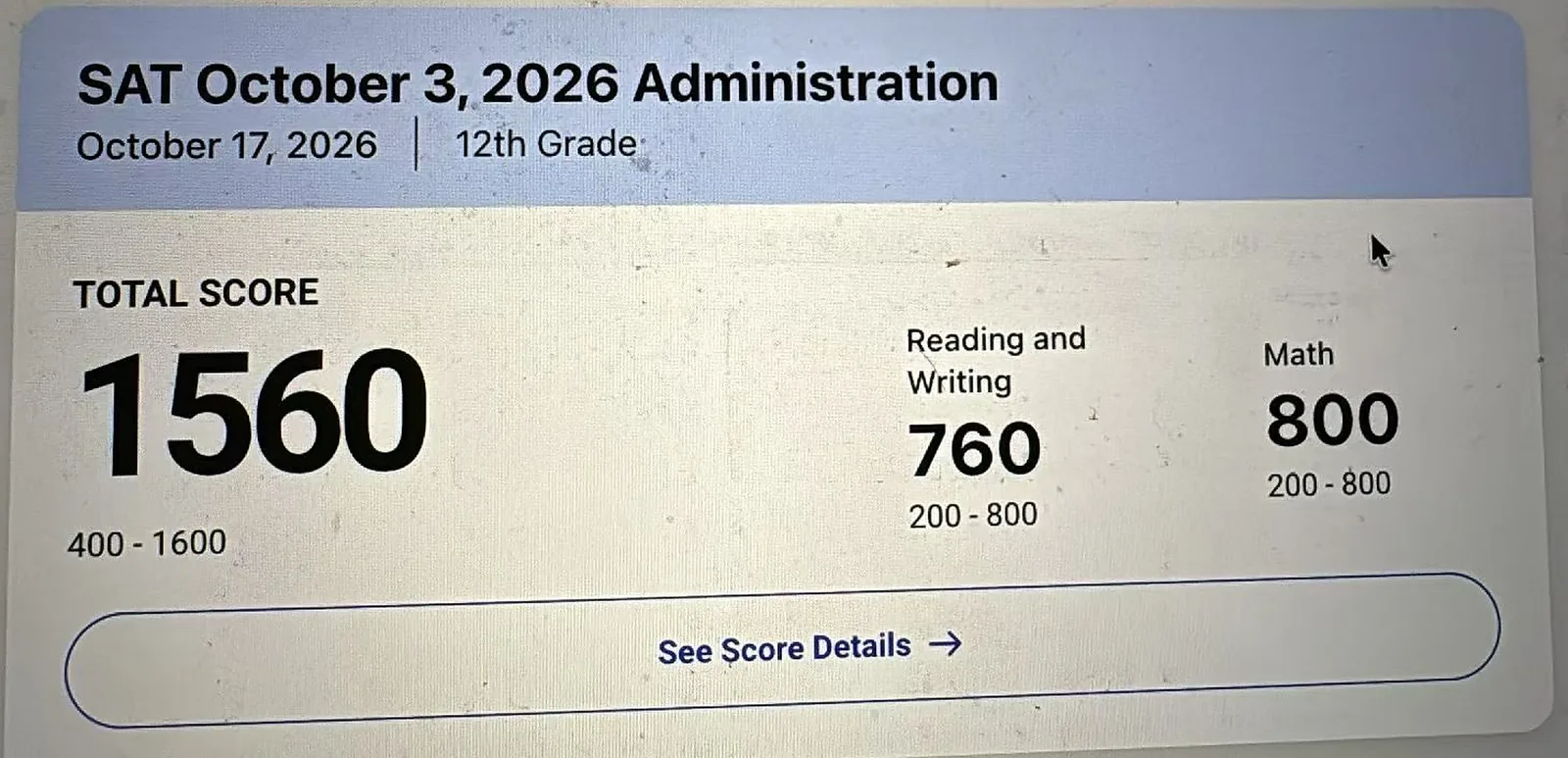
Score reports and offers from students I’ve taught. The results are theirs. Names, ID numbers and contact details are covered; apart from cropping and sharpening, the images are as received.
→ Keep scrollingSwipe · select a card to enlarge
- 01 / 07
- 02 / 07
- 03 / 07
- 04 / 07
- 05 / 07
- 06 / 07
- 07 / 07
§ 06 Questions
What does a lesson look like?
A video call with a shared whiteboard. We work from the plan, and the student keeps the written pages afterwards.
How do you fit different time zones?
We fix a regular slot before the first lesson, set around the student’s school day.
How do you report progress?
A short note after each lesson: what we did, what the student got right, and what needs more work. It goes to the counsellor, the family or both. Your call.
Who stays in charge of the student?
You do. I’m the maths part of your plan. Scheduling and messages to the family can go through your team.
How do we start?
Email me the curriculum, level, target and exam date. I’ll suggest a starting point, usually a diagnostic lesson, and send a plan for you to look over.
Have a student in mind?
yangyangmathematics@gmail.comTell me the curriculum, level and target. I’ll reply with where I would start.